
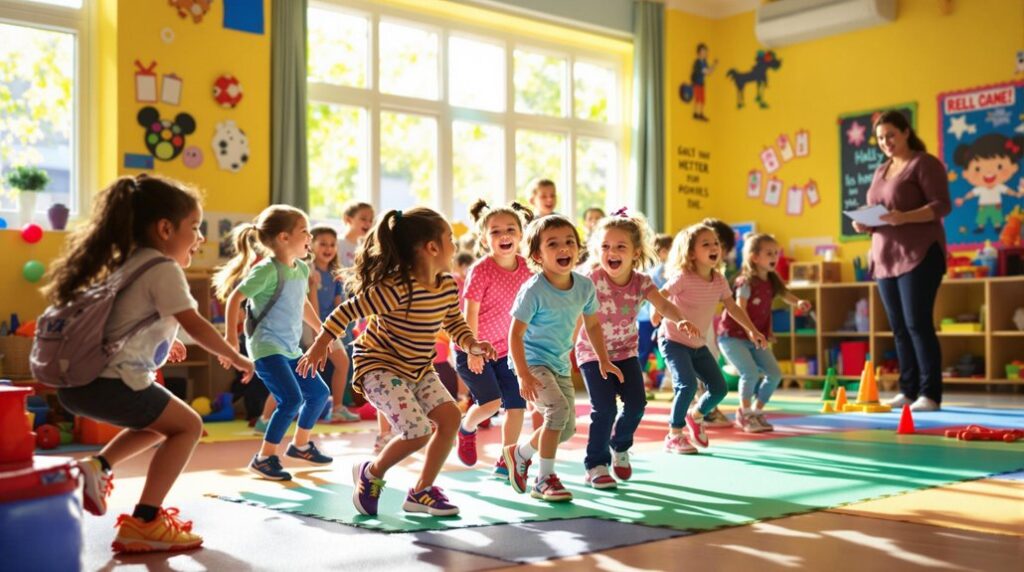
Yes, the Primary PE and Sport Premium can be allocated to enhance physical development in the Early Years Foundation Stage (EYFS). This funding supports structured physical activity, improving resources and equipment that promote active play among young children. Schools can use the premium for staff training, enabling effective engagement in physical activities, and to create opportunities for less active children. Such investments are essential for fostering overall health and physical literacy. Uncover more about its impact and eligible activities.
Understanding the Primary PE and Sport Premium
The Primary PE and Sport Premium is a crucial funding initiative designed to enhance physical education and sports within primary schools, ensuring that every child has the opportunity to engage in quality physical activity. For the 2023-24 and 2024-25 academic years, schools receive over £600 million to guarantee at least two hours of curriculum PE each week. This funding can be used to develop existing PE programs, purchase new equipment, and improve resources for both competitive and inclusive sports. Schools are required to publish how they allocate this funding and its impact on students’ engagement and physical education. Key indicators for improvement include increased staff confidence in teaching PE, heightened pupil participation, and a wider variety of sports offered to students.
Importance of Physical Activity in Early Years
While many may underestimate the role of physical activity in early childhood, engaging in regular movement is essential for young children’s holistic development. The World Health Organization recommends at least 180 minutes of active play each day for children under five, emphasizing its significance. Physical activities foster motor skills, coordination, and balance, which form the basis for lifelong healthy habits. Research shows that children who engage in regular physical activity during early years exhibit improved cognitive development and better social skills. The EYFS framework highlights that physical development is vital, asserting that active learning is integral to children’s overall growth. Incorporating structured physical activities enhances their confidence, self-esteem, and prepares them for future educational challenges. Moreover, implementing durable playground markings can create engaging environments that promote active play and social interaction.
Eligible Activities for EYFS Using Sports Premium
Eligible activities for utilizing the Primary PE and Sport Premium in the Early Years Foundation Stage (EYFS) encompass a wide range of initiatives aimed at enhancing physical education and promoting active play. You can use the funding to purchase age-appropriate PE and sports equipment that facilitates skill development and encourages active play among young children. Additionally, investing in staff training guarantees that EYFS practitioners are well-equipped to engage children in meaningful physical activities. It’s also important to create new opportunities for less active children, allowing them to participate in both structured and unstructured physical play. Ultimately, these activities should align with the goal of increasing children’s physical activity levels while improving their overall health and well-being. Furthermore, incorporating playground markings can transform outdoor spaces into vibrant learning environments that promote active play and social interaction.
Enhancing Physical Education Resources for EYFS
Enhancing physical education resources in the Early Years Foundation Stage (EYFS) is essential for fostering children’s physical development and encouraging active lifestyles from a young age. Utilizing the Primary PE and Sport Premium allows schools to invest in age-appropriate equipment, like balance bikes and soft play materials, which can greatly enhance children’s gross motor skills and physical activity levels. Incorporating structured physical activities into the EYFS curriculum meets the requirement of providing a minimum of two hours of physical activity weekly. By focusing on these resources, schools not only support children’s holistic growth but also lay a foundation for lifelong participation in physical activity. This approach ultimately contributes to a more engaging and effective learning environment for young learners. Additionally, integrating thermoplastic playground markings can create defined play zones that promote organized sports and interactive games, further enriching the outdoor play experience.
Training Staff to Support EYFS Physical Development
Investing in staff training is a pivotal step in promoting physical development within the Early Years Foundation Stage (EYFS). The Primary PE and Sport Premium can support this initiative by funding professional development for staff, enhancing their understanding of effective strategies for promoting physical activity and motor skills. Such training increases confidence and competence in delivering high-quality physical activities, which directly impacts children’s engagement and development. Workshops on active play, outdoor learning, and integrating physical development into the EYFS curriculum are essential, aligning with the government’s focus on holistic child development. By equipping staff with the necessary skills and knowledge, schools can establish a sustainable foundation for physical activity, fostering lifelong healthy habits among young children.
Creating an Active Learning Environment in EYFS
Creating an active learning environment in the Early Years Foundation Stage (EYFS) is vital for fostering children’s physical development and overall well-being. Utilizing the Primary PE and Sport Premium can greatly enhance these environments by providing age-appropriate resources and equipment. By investing in outdoor play equipment, you encourage active play, which is important for developing fundamental movement skills. Additionally, training staff on integrating physical activity into daily routines boosts their confidence and effectiveness in promoting physical development. Incorporating movement-based activities supports children’s physical, social, and emotional growth within the EYFS framework. Regular engagement in physical activity not only improves immediate well-being but also cultivates positive attitudes toward fitness, setting the stage for lifelong healthy habits. Furthermore, implementing outdoor school playground markings can create a safer environment for children, enhancing their overall play experience.
Benefits of Early Physical Engagement for Children
While engaging in physical activity during the early years may seem like mere play, it actually lays the groundwork for essential motor skill development. This early engagement enhances coordination, balance, and strength, which are vital for future physical activities and sports participation. Additionally, research shows that active children exhibit improved cognitive functions, social skills, and emotional regulation, which contribute to their overall development. Establishing a routine of physical activity encourages lifelong fitness habits, leading to continued participation in sports as they age. The physical activity guidelines recommend that children aged 3-5 engage in at least three hours of activity daily to support healthy growth, and studies link regular physical engagement to improved academic performance, particularly in reading and math assessments.
Monitoring and Evaluating EYFS Sports Premium Spending
To effectively monitor and evaluate the spending of the EYFS Sports Premium, schools must implement a structured approach that focuses on tangible outcomes. Start by evaluating improvements in children’s physical skills and their overall engagement in physical activities. Tracking participation rates in these activities, along with gathering feedback from staff and parents, is essential for understanding children’s development. Regular observations and evaluations can provide valuable insights into the effectiveness of the spending. Additionally, schools should report how their EYFS spending contributes to long-term benefits in both physical and mental development, ensuring that improvements remain sustainable. By documenting children’s progress in physical education and active play, schools can create a thorough evaluation of their investment in the EYFS Sports Premium.
Collaboration With External Coaches for EYFS
Effective monitoring and evaluation of the EYFS Sports Premium spending naturally leads to exploring partnerships with external coaches, which can greatly enhance the quality of physical education. Collaborating with qualified coaches brings specialized expertise, improving staff confidence in delivering PE activities. These coaches can introduce a variety of physical activities tailored for young children, promoting fundamental movement skills essential for their development. Additionally, external coaching allows schools to offer new sports and activities, broadening experiences for EYFS children and encouraging lifelong participation. Moreover, this collaboration supports active learning, integrating physical activity into the school day, fostering a dynamic learning environment. However, schools must guarantee that these activities align with the goals of enhancing children’s physical and emotional well-being.
Long-term Impact of Sports Premium on Early Years Development
The long-term impact of the Sports Premium on Early Years development is significant, as it lays the foundation for children’s physical and emotional well-being. By enhancing physical activity and sports provision in EYFS settings, you promote lifelong healthy habits. Investing in high-quality resources and equipment can improve children’s physical literacy and motor skills, fostering engagement in physical activities. Early exposure to diverse sports nurtures positive attitudes towards physical education, encouraging increased participation later on. Additionally, funding staff training boosts educators’ confidence in delivering effective PE sessions, leading to better developmental outcomes. Ultimately, the long-term benefits include enhanced physical and mental well-being, as active children tend to develop stronger social skills, emotional resilience, and a foundation for a healthy lifestyle. Furthermore, incorporating durable thermoplastic materials in playground markings can enhance children’s play experiences and promote interactive learning.